
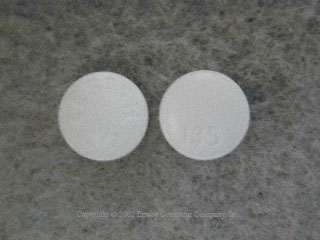
Zestril (Lisinopril) – 2.5mg Tablets
Description
Lisinopril may cause injury or death to the fetus if taken after the third
month of pregnancy. If you think you may be pregnant, contact your doctor right
away.
Lisinopril is used for:
Treating
high blood pressure alone or with other medicines. It is used along
with other medicines to manage heart failure or improve survival after a heart
attack. It may also be used for other conditions as determined by your doctor.
Lisinopril is an angiotensin-converting enzyme (ACE)
inhibitor. It works by relaxing blood vessels. This helps to lower blood
pressure.
Do NOT use Lisinopril if:
- you are allergic
to any ingredient in Lisinopril - you have a history of angioedema
(swelling of the hands, face, lips, eyes, throat, or tongue; difficulty
swallowing or breathing; or hoarseness), including angioedema caused by
treatment with an ACE inhibitor - you are in your second or third
trimester of pregnancy - the patient is a
CHILD with severe kidney problems
Before using Lisinopril :
Some medical conditions may interact with Lisinopril . Tell
your doctor or pharmacist if you have any medical conditions, especially if any
of the following apply to you:
- if you are pregnant, planning to
become pregnant, or are breast-feeding - if you are taking any
prescription or nonprescription medicine, herbal preparation, or dietary
supplement - if you have
allergies to medicines, foods, or other substances - if you are able to become
pregnant - if you have a history of heart
problems (eg, heart failure, aortic stenosis), blood vessel problems, blood
flow problems, bone marrow problems, kidney problems, or diabetes - if you have a history of stroke,
recent heart attack, or kidney transplant - if you have an autoimmune disease
(eg, rheumatoid
arthritis, lupus, scleroderma) - if you are dehydrated or have low
blood volume - if you have high blood potassium
levels, low blood sodium levels, or are on a low salt (sodium) diet - if you are on dialysis or are
scheduled to have major surgery
Some MEDICINES MAY INTERACT with Lisinopril . Tell your
health care provider if you are taking any other medicines, especially any of
the following:
- Diuretics (eg, furosemide,
hydrochlorothiazide) because the risk of low blood pressure may be increased - Aldosterone blockers (eg,
eplerenone), potassium-sparing diuretics (eg, spironolactone, triamterene),
or potassium supplements because the risk of high blood potassium levels may
be increased - Insulin, sulfonylureas (eg,
glipizide), or other oral diabetes medicines (eg, metformin)
because the risk of low blood sugar may be increased - Gold-containing medicines (eg,
auranofin) because flushing, nausea, vomiting, and low blood pressure may
occur - Nonsteroidal anti-inflammatory
drugs (NSAIDs) (eg, ibuprofen, indomethacin,
celecoxib) or salicylates (eg, aspirin) because they may decrease Lisinopril
‘s effectiveness - Lithium or thiopurines (eg,
azathioprine) because the risk of their side effects may be increased by
Lisinopril
How to use Lisinopril :
Use Lisinopril as directed by your doctor. Check the label on
the medicine for exact dosing instructions.
- Take Lisinopril by mouth with or
without food. - If you miss a dose of Lisinopril
, take it as soon as possible. If it is almost time for your next dose, skip
the missed dose and go back to your regular dosing schedule. Do not take 2
doses at once.
Important safety information:
- Lisinopril may cause dizziness,
lightheadedness, or fainting. These effects may be worse if you take it with
alcohol or certain medicines. Use Lisinopril with caution. Do not drive or
perform other possibly unsafe tasks until you know how you react to it. - Lisinopril may cause a serious
side effect called angioedema. Contact your doctor at once if you develop
swelling of the hands, face, lips, eyes, throat, or tongue; difficulty
swallowing or breathing; or hoarseness. - Lisinopril may not work as well
in black patients. They may also be at greater risk of side effects. Contact
your doctor if your symptoms do not improve or if they become worse. - Dehydration, excessive sweating,
vomiting, or diarrhea may increase the risk of low blood pressure. Contact
your health care provider at once if any of these occur. - Rarely, Lisinopril may lower the
ability of your body
to fight infection. This risk may be greater if you have certain other
health problems (eg, kidney problems, collagen vascular disease). Avoid
contact with people who have colds or infections. Tell your doctor if you
notice signs of infection like fever, sore throat, rash, or chills. - Check with your doctor before you
use a salt substitute or a product that has potassium in it. - Tell your doctor or dentist that
you take Lisinopril before you receive any medical or dental
care, emergency care, or surgery. - Patients who take medicine for
high blood pressure often feel tired or run down for a few weeks after
starting treatment. Be sure to take your medicine even if you may not feel
"normal." Tell your doctor if you develop any new symptoms. - If you have high blood pressure,
do not use nonprescription products that contain stimulants. These products
may include diet pills or cold medicines. Contact your doctor if you have
any questions or concerns. - Diabetes patients- Lisinopril may
affect your blood sugar. Check blood sugar levels closely. Ask your doctor
before you change the dose of your diabetes medicine. - Lab tests, including blood
pressure, blood electrolyte levels, heart function, or kidney or liver
function, may be performed while you use Lisinopril . These tests may be
used to monitor your condition or check for side effects. Be sure to keep
all doctor and lab appointments. - Use Lisinopril with caution in
the ELDERLY; they may be more sensitive to its effects. - Lisinopril should not be used in
CHILDREN younger than 6 years old; safety and effectiveness in these
children have not been confirmed. - PREGNANCY AND BREAST-FEEDING:
Lisinopril may cause birth defects or fetal death if you take it while you
are pregnant. If you think you may be pregnant, contact your doctor right
away. It is not known if Lisinopril is found in breast milk. Do not
breast-feed while taking Lisinopril .
Possible side effects of Lisinopril :
All medicines may cause side effects, but many people have
no, or minor side effects. Check with your doctor if any
of these most COMMON side effects persist or become bothersome:
Cough; diarrhea; dizziness; headache; tiredness.
Seek medical attention right away if any of these SEVERE
side effects occur:
Severe allergic
reactions (rash; hives; itching; difficulty breathing; tightness in
the chest; swelling of the hands, eyes, mouth, face, lips, or tongue;
hoarseness); chest pain; dark urine; decreased urination; difficulty
swallowing; infection (eg, fever, chills, persistent sore throat); irregular
or slow heartbeat; stomach pain (with or without nausea or vomiting); symptoms
of low blood pressure (eg, fainting, severe dizziness, lightheadedness);
yellowing of the skin or eyes.
Reviews
There are no reviews yet.